

February 9, 2026
Do You Need a Licence or Certification to Tint Windows? The Real Answer (and What Matters More)
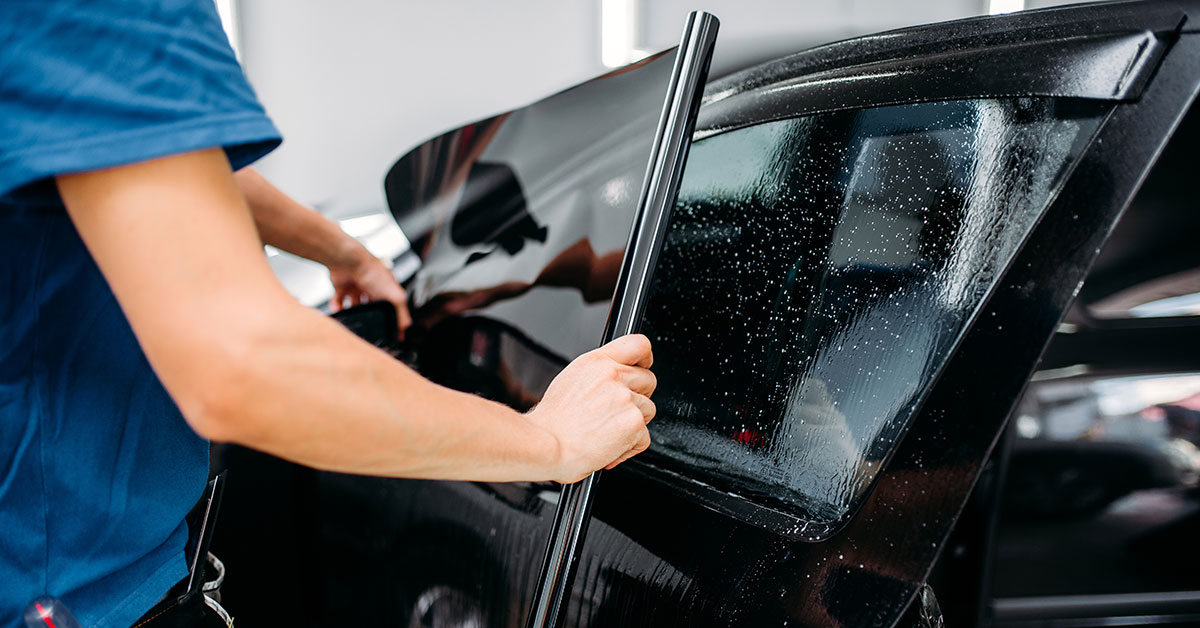
If you’re learning tinting, or planning to start a tint business, you’ve probably asked:
- Do you need a licence to tint windows?
- Do you need a certification to tint windows professionally?
Here’s the clean answer:
In many locations, you may not need a special “tint installer licence” for automotive tinting. But you still need to operate legally as a business, follow tint laws, and build professional skills fast enough to deliver consistent quality.
If you’re building the business (not just learning the craft), start with the full roadmap: How to start a window tinting business
Licence vs Certification vs Business Setup (Don’t Mix These Up)
These get confused constantly:
- Business licence: permission to operate a business in a city/county/state
- Permit: permission tied to your location/activity (occupancy/signage/buildout)
- Certification: a skill credential (usually not required by law)
- Insurance: protection you often need to work on vehicles or win larger accounts
- Compliance: whether your installs meet local tint regulations
If you want the business licensing checklist, use our tint business licence requirements checklist.
Do You Need a Licence to Tint Car Windows?
In many places, there is not a specific state-issued “tint installer licence” for automotive window tinting.
But you may still need:
- A business licence (local)
- Tax registration (where applicable)
- Appropriate insurance
- A compliant workflow for tint laws
The “licence” you need most often is a business licence, not an installer licence.
When Licensing Can Apply (Even If Automotive Tint Doesn’t Require It)
Depending on your location and service mix, licensing/registration requirements may apply if you:
- Expand into residential/commercial flat glass film
- Do safety/security film installations tied to building standards
- Do certain wrap or signage work
- Run a shop that must meet specific occupancy rules
- Hire employees (payroll compliance)
Key takeaway:
The correct question is not “Is there a tint licence?”
It’s “What does my city/state require for the services I’m selling and how I’m operating?”
Do You Need a Certification to Tint Windows Professionally?
In many places, a formal “window tint certification” is not legally required to install automotive window film. But certification (or structured training that produces the same outcome) can still be a major advantage, because tinting is a craft where small mistakes show immediately.
The real question isn’t “Do I need a certificate?”
It’s: “How fast can I reach consistent, professional quality—and how do I prove it to customers?”
Even when certification isn’t required by law, it can help you:
- Improve quality faster (better installs with fewer defects)
- Reduce rework and film waste (which protects your margin)
- Build trust with premium customers (especially online)
- Document professionalism in marketing (a credibility signal when you’re newer)
There are industry accreditation programmes that validate installer knowledge and best practices, and in some markets that can function as a trust signal. But it’s important to be clear about what a certificate is:
A certificate doesn’t replace skill.
Skill comes from repetition, coaching, and a repeatable process.
Why Training Matters More Than the Certificate
Most new installers don’t lose money because they “lack certification.”
They lose money because of:
- Rework (redo’s that eat time and materials)
- Inconsistent edge quality and contamination control
- Quoting mistakes caused by not understanding film options
- Slow installs that limit throughput
- Customer dissatisfaction that turns into reviews
A structured training path reduces those risks because it teaches more than technique, it teaches a professional workflow:
- How to prep and clean consistently
- How to manage contamination control
- How to shrink and install with repeatable steps
- How to check your work (QC) before the car leaves
- How to educate customers and set expectations
That’s what creates predictable outcomes, and predictable outcomes are what makes the business scalable.
What Changes If You Start Independent vs. With a Franchise
If you start on your own, you’ll typically build your training path from a mix of:
- YouTube and online courses
- Manufacturer resources
- Trial-and-error learning on real jobs
- Occasional mentorship (if you can find it)
- Learning the business side (pricing, packages, workflow) the hard way
That can work, but it often costs more than people expect in wasted film, redo’s, and time.
If you buy a franchise, training and support are one of the core differences in this step.
Instead of “figure it out,” a strong system is designed to provide a structured ramp that includes:
- Initial training that standardises installation technique and workflow
- Operational playbooks (how jobs should be quoted, scheduled, and delivered)
- Quality control standards (how to evaluate installs and prevent rework)
- Product knowledge and package strategy (how to sell premium options without pressure)
- Ongoing coaching and support after launch (because real questions show up once you’re live)
- Hiring and technician development guidance (if you plan to scale beyond owner-operator)
In other words:
Independent shops often treat training as a one-time event.
A franchise model typically treats training as part of the operating system, so quality stays consistent as the business grows.
The Bottom Line
You may not need a formal certification to tint windows professionally, but you do need a way to reach consistent quality quickly and build trust with customers.
A certificate can support your credibility story, especially early on.
But the bigger lever is a repeatable training path and the support to keep improving once you’re open.
What Customers Actually Use to Decide If You’re “Professional”
Most consumers aren’t asking about certification. They’re asking:
- How does it look?
- Will it last?
- Is it legal?
- Do I trust this shop?
The credibility signals that close jobs:
- Clear photos of your work (close-ups of edges matter)
- Consistent reviews (recent volume matters as much as star rating)
- A consistent quoting process
- A straightforward warranty explanation
- Package clarity (good/better/best)
If you’re trying to build demand, don’t skip this: how customers compare tint businesses
The Fastest Skill Path (What to Practice First)
Tinting rewards, repetition, and process. The quickest way to become “install-ready” is to practice the fundamentals in a tight loop.
Phase 1 — Clean Installs (Weeks 1–2)
Focus on:
- Contamination control (dust is the enemy)
- Consistent cleaning process
- Heat shrinking basics
- Minimizing fingers and creases
- Clean corners and edges
Phase 2 — Repeatability and Speed (Weeks 3–4)
Focus on:
- Standard workflow for common vehicles
- Pre-cut vs hand cut consistency
- Reducing waste and rework
- Working clean under time pressure
Phase 3 — Packaging and Premium (Weeks 5–8)
Focus on:
- Package ladder (good/better/best)
- Premium film education (heat rejection, glare, UV)
- Upsells where relevant (windshield options where legal, ceramic upgrades)
- Customer handoff process (care instructions, warranty, compliance)
Compliance Knowledge Every Installer Should Have (Even Without a “Licence”)
A shop that installs non-compliant tint will eventually pay for it:
- Refunds
- Redo’s
- Bad reviews
- Avoidable disputes
Your SOP should include:
- Confirm legal limits (by vehicle type and window)
- Recommend legal options clearly
- Document what you installed (film spec)
- Provide clear aftercare instructions and warranty info
What If You Want to OWN the Business but Not Be the Installer?
Many successful owners don’t tint full-time, and some don’t tint at all. In that model, you’re not buying yourself a job. You’re building a business that runs on people, processes, and demand.
If you’re not the primary installer, your job becomes:
- Hiring or contracting technicians
- Training, coaching, and quality control (QC)
- Sales and customer experience
- Operations and scheduling
- Lead management and marketing performance (not just “running ads”)
That’s why the biggest risk in a non-installer ownership model isn’t “Can I tint?”
It’s: “Can I consistently deliver quality and keep the schedule full without becoming the marketing department?”
Where Franchising Can Change the Game for Tint Business Owners
Starting independently can work, but you’re responsible for building everything from scratch:
- Training your team
- Defining quality standards
- Developing service packages and pricing
- Building your local brand presence
- Generating leads consistently
- Setting up the technology stack to track and convert demand
A franchise model is designed to reduce that burden by giving you an operating system, especially in three areas that matter most when you’re not the installer:
1. Training That Scales Beyond the Owner
When the owner is not the installer, training can’t be informal.
It needs to be structured and repeatable so quality stays consistent across:
- Multiple technicians
- Different vehicle types
- Changing staffing levels over time
In a franchise system, training typically includes:
- Standardised installation workflows and best practices
- Quality control checklists (what “done right” looks like)
- Onboarding paths for new techs (so you’re not reinventing training every hire)
- Process training for quoting, scheduling, and customer handoff
- Coaching and support beyond “week one,” because real issues show up after launch
Result: you spend less time solving the same problems repeatedly, and more time managing the business.
2. Technology and Systems That Keep Operations Tight
Independent owners often piece together tools as they go, and that usually creates gaps:
- Leads get missed
- Follow-up is inconsistent
- Quoting is manual
- Scheduling becomes chaotic
- No clear visibility into which marketing is working
A franchise system often brings a more defined stack and process around:
- Lead capture and response standards (speed-to-lead)
- CRM or lead tracking (so nothing falls through)
- Quoting and package structure that’s easier to sell consistently
- Scheduling workflows that protect technician productivity
- Reporting that helps you see what’s driving revenue and where margin is leaking
That matters because when you’re not installing, your “production” is management, your ability to keep bays full and quality high.
3. Lead Generation Support So You Can Focus on Running the Business
For most new owners, the hardest part isn’t delivering service; it’s maintaining reliable demand.
Independently, you must build your lead engine from scratch:
- Local SEO foundation
- Review strategy and reputation management
- Content and photo/video assets
- Paid media testing and optimization
- Tracking and attribution
- Ongoing follow-up process
In a franchise model, marketing support can help shorten the ramp by providing:
- Brand credibility and consumer recognition
- Proven offer and messaging frameworks
- Easy to use templates for local campaigns and promotions
- Guidance on Google Business Profile and local search visibility
- Systems to generate and manage reviews
- Coaching to improve conversion (how you answer calls, how you quote, how you follow up)
Most importantly, the goal isn’t “ads.”
The goal is a consistent pipeline, so your schedule stays full and you can focus on:
- Hiring and coaching
- Operations
- Customer experience
- Expanding services or adding locations
No system can promise results in every market, but a proven marketing framework and ongoing support can dramatically reduce the trial-and-error that independent owners face.
The Bottom Line for Non-Installer Owners
If you want to own the business but not be the installer, success comes down to:
- Standardised training and quality control
- Systems and technology that prevent lead leakage
- A reliable marketing engine that drives demand
That’s exactly why many owners prefer a franchise model: it’s designed to help you spend less time “figuring it out,” and more time operating and growing your business
If you’re comparing independent vs franchise, read: Franchise vs independent tint shop